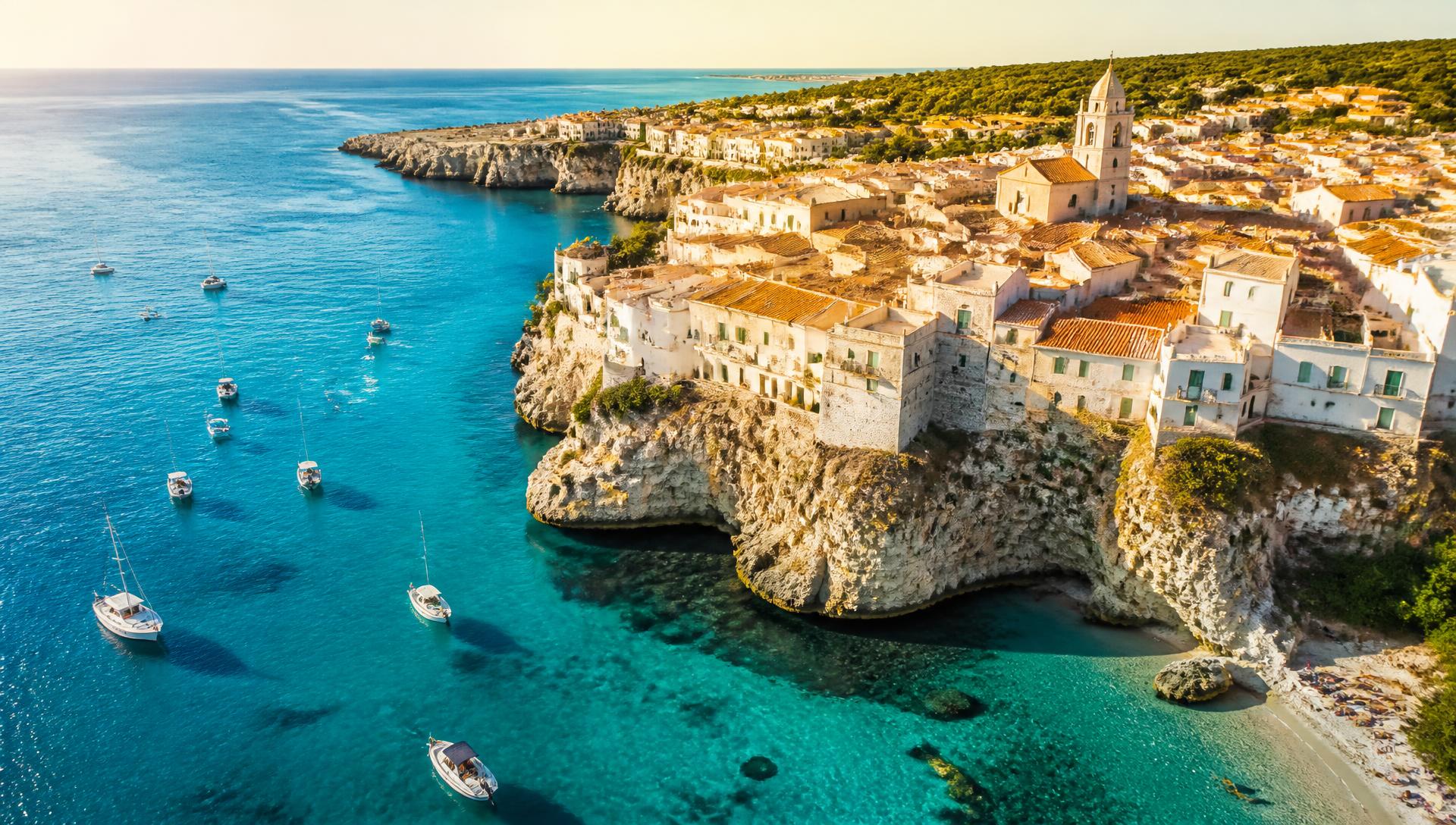
Greece
Athens in summer
Athens is usually a two- or three-day opener before the islands: the Acropolis and the museums, then a ferry or short flight to the Cyclades. It is also the cheapest major European capital for food and transport.
Best time to go
April to early June, or late September into October — the ruins are unpleasant in midsummer heat.
Peak season heat
July and August regularly exceed 35°C; sites sometimes close during afternoon heatwaves.
Nearest airports
Athens International (ATH), 40 minutes by metro to Syntagma.
Flights from
€65 · good months: Apr – Oct
What to do in Athens
- Acropolis at opening time, then the Acropolis Museum for the shade
- Plaka and Anafiotika for evening walks
- Ferries from Piraeus to Naxos, Paros, Milos and Santorini
- Cape Sounion at sunset, or the Athens Riviera beaches at Vouliagmeni
Athens in summer: the full picture
Athens is the one city here where the heat genuinely dictates the plan. July and August routinely reach 35–40°C, the Acropolis sits on exposed rock with no shade, and the site now closes during extreme heat warnings in the early afternoon. Handle that properly — first entry slot, water, hat — and the city is spectacular.
What Athens gives you that no other Eurosummer capital does is a 2,500-year-old monument at the centre of a modern, unpolished, very affordable city, plus the entire Aegean ferry network on its doorstep. Piraeus can put you on Aegina in 40 minutes or Naxos in three and a half hours.
Prices are the lowest of the major southern European capitals. Excellent food is cheap, the metro is cheap, and even in August you can find central apartments for a fraction of Barcelona or Rome rates.
Where to stay: Athens neighbourhoods
Plaka
Below the Acropolis, neoclassical houses and bougainvillea. Charming and central, geared towards visitors, priced accordingly.
Monastiraki and Psyrri
Flea market, street art, rooftop bars with Acropolis views, and the city's busiest nightlife. Lively and slightly rough at the edges.
Koukaki
Quiet residential streets a ten-minute walk from the Acropolis Museum. The best-value base for most visitors, with real neighbourhood tavernas.
Kolonaki
Upmarket, below Lycabettus hill: designer shops, galleries, cocktail bars, calmer at night.
Athens Riviera (Glyfada, Vouliagmeni)
Beach suburbs 30–45 minutes south by tram or metro plus bus. Organised beaches, seafood, and a genuine swim option in the middle of a city trip.
A five-day Athens itinerary
Day 1
Acropolis at opening
First entry at 08:00, Parthenon and Erechtheion before the heat, then the Acropolis Museum with its air conditioning for late morning. Long lunch, then Plaka in the evening.
Day 2
Ancient Agora and the centre
Ancient Agora, Temple of Hephaestus, Roman Agora and Hadrian's Library, then the National Archaeological Museum in the afternoon. Rooftop sunset in Monastiraki.
Day 3
Beach day
Tram or metro to the Athens Riviera — Vouliagmeni for organised beaches, or Lake Vouliagmeni for warm spring water. Seafood dinner at the marina.
Day 4
Island day trip
Ferry from Piraeus to Aegina or Hydra. Hydra has no cars, clear swimming and a harbour that empties beautifully once the day boats leave.
Day 5
Cape Sounion
Coastal bus to the Temple of Poseidon for sunset over the Aegean, one of the most reliably good final evenings in Greece.
What Athens costs in summer
Indicative per-person daily costs, excluding flights. Shoulder = April–June and September–October. Peak = July and August.
| Item | Shoulder season | Peak season |
|---|---|---|
| Mid-range hotel (per room) | €85–130 | €130–190 |
| Private apartment (2 people) | €60–100 | €100–160 |
| Food and drink per person | €30–50 | €35–55 |
| Sites, museums and transport | €20–35 | €20–35 |
| Ferry day trip | €30–60 | €40–75 |
Month by month
- April–May: 22–27°C, wildflowers on the hills, ideal for full days of walking the sites.
- June: 30–32°C, sea 23°C, still comfortable if you start early.
- July–August: 34–40°C, occasional heat-related site closures in the early afternoon, lowest hotel occupancy as Athenians leave for the islands.
- September: 29–31°C, warm sea at 25°C, the single best month for combining city and coast.
- October: 24–26°C, still swimmable, museums and sites at their calmest.
What to pack
- A wide-brimmed hat and at least 1.5 litres of water per person for the Acropolis
- Shoes with grip — the marble on the Acropolis rock is worn smooth and slick
- Electrolyte sachets if you are visiting in July or August
- A light long-sleeve layer for sun cover rather than warmth
Getting around
- Airport: metro line 3 runs directly to Syntagma and Monastiraki in about 40 minutes.
- The centre is compact — Acropolis, Agora, Plaka and Monastiraki are all within a 25-minute walk of each other.
- The combined archaeological sites ticket covers seven sites over five days and pays for itself after three.
- Piraeus is a 25-minute metro ride from Monastiraki; allow an hour before ferry departure to find the right gate.
Eating and drinking
- Eat at a taverna rather than a restaurant with a tout outside; the difference in price and quality is large.
- Souvlaki and gyros are legitimately good and cost €4–6 — a reliable cheap lunch.
- Order small plates (mezedes) to share, which is how Greeks actually eat.
- Frappé or freddo espresso in the afternoon is a national institution and buys you an hour of shade.
Mistakes to avoid
- Climbing the Acropolis after 11:00 in July — hot, crowded, and sometimes closed.
- Booking a hotel near Omonia purely on price without checking the immediate street.
- Skipping the Acropolis Museum, which explains everything the site itself cannot.
- Trying to visit Santorini or Mykonos as a day trip; they are five to eight hours away by ferry each way.
Book your Athens trip
Compare flights, stays, cars and tours for Athens in one place.
Athens FAQ
How long should you stay in Athens before the islands?
Two nights is enough for the Acropolis, the museum and one evening in Plaka. Add a third if you want Cape Sounion or a beach day on the Riviera.
Is Athens too hot in July and August?
It is demanding. Visit archaeological sites at 8am, keep afternoons indoors or at the coast, and expect the occasional 40°C day.
New to the idea? Read what Eurosummer means and how to plan one.