Guide
What is Eurosummer?
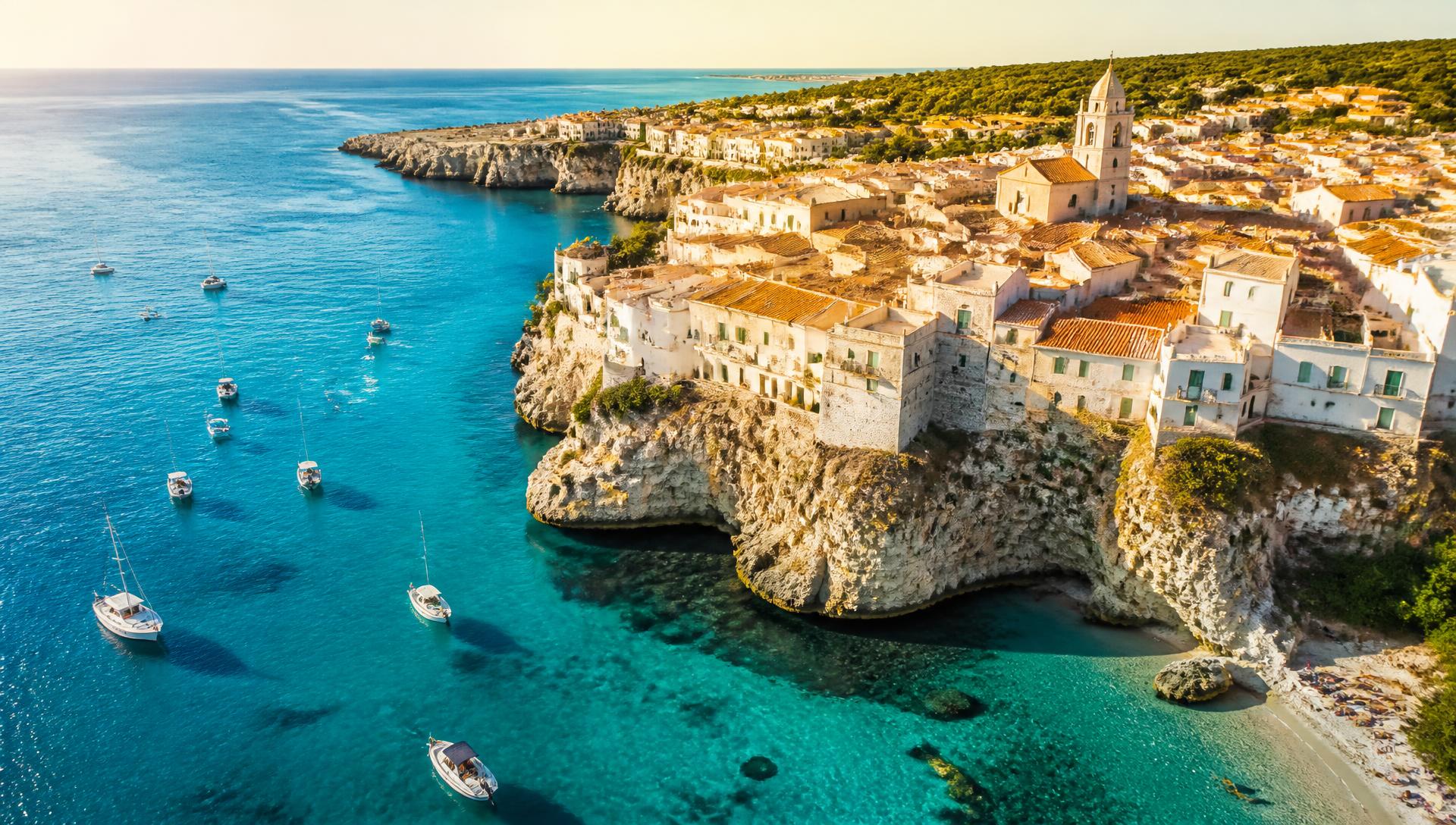
Eurosummer is the trend of spending part of the northern-hemisphere summer travelling around Europe — typically two to four weeks between June and September, hopping between coastal towns and cities by budget flight, train or ferry. It leans Mediterranean, slow and social: fewer museums, more swimming, long dinners and cheap regional hops.
The short version
- When: June to early September. July and August are peak; late May, June and September cost far less for near-identical weather.
- Where: Spain, Portugal, Greece, Croatia and southern Italy form the core, with Albania, Slovenia and northern Spain as the value alternatives.
- Cost: roughly €90–150 per person per day outside peak season, plus flights.
- Booking: stays two to three months ahead for July and August; flights four to eight weeks out.
How to plan a Eurosummer
1. Pick a season, not just a place
Decide first whether you want peak-season energy or shoulder-season value. Shifting a July trip to early June or mid-September usually saves more money than any booking trick.
2. Fly into a cheap hub, travel out from there
Compare fares to Barcelona, Lisbon, Milan, Athens and Split rather than to your exact destination. Ferries, trains and short hops from those hubs are cheap once you are in Europe.
3. Book stays before flights in peak season
Coastal accommodation is the scarce resource in July and August; flights keep selling. Lock in a refundable room first, then hunt the fare.
4. Compare hotels against private stays
Trips over four nights or groups of three-plus are usually cheaper in an apartment — but compare the final total, since cleaning and service fees can add 15–25%.
5. Add a car only where you need one
Cities and island-hopping routes work fine without one. Rural Portugal, Puglia, the Peloponnese and inland Croatia are where a rental pays off — book it early, fleets sell out in July.
Where to spend it
Eurosummer FAQ
What does Eurosummer mean?
Eurosummer (or euro summer) describes spending part of the northern-hemisphere summer travelling around Europe — usually two to four weeks between June and September, moving between coastal towns and cities by budget flight, train or ferry. The term spread through social media as shorthand for the long, slow, Mediterranean-leaning version of a European trip rather than a fast capital-city tour.
When is Eurosummer?
The season runs from roughly June to early September. July and August are the peak — hottest, busiest and most expensive. Late May, June and September give you the same weather in most of southern Europe at noticeably lower prices.
How much does a Eurosummer trip cost?
Budget around €90–150 per person per day in southern Europe outside peak season, covering a mid-range stay, food and local transport, plus flights. July and August push accommodation 40–60% higher. Croatia, Greece and Portugal stretch a budget further than France, Italy or Spain's islands.
How early should I book hotels for Eurosummer?
For July and August, two to three months ahead in popular coastal areas — island and small-town inventory is limited and sells out first. For June and September, four to six weeks is usually enough. Book refundable rates early, then re-check prices a few weeks before you travel.
When should I book flights for a Eurosummer trip?
Four to eight weeks before departure is the sweet spot for European summer routes. Mid-week departures are typically 10–25% cheaper than weekends, and secondary airports can halve a fare.
Where should I go for Eurosummer?
Spain, Portugal, Greece, Croatia and southern Italy are the core. Barcelona and Lisbon are the easiest first trips; Split is the best base for island hopping; Athens works as a two-night opener before the Cyclades. If you want a European summer without the heat, northern Spain, Slovenia and the Baltic coast stay comfortable through August.